📑 Table of Contents ▾
Greece island cruise comparison covering Aegean vs. Dodecanese routes, ship sizes, main ports and lesser-known islands worth adding
Greece’s island-dotted Aegean Sea is best understood from the water—and a cruise is the only way to efficiently experience its diversity. But not all Greek island cruises are created equal. The route you choose determines whether you spend four hours in Mykonos with 30,000 other cruise passengers or anchor off a tiny Dodecanese island where the only other visitors are a flock of goats. Here’s how to pick the right cruise for the right experience.
The Route Spectrum: Mainstream vs. Expedition
The Cyclades Loop (Mykonos, Santorini, Paros, Naxos, Delos): The classic Greek island experience. Mykonos brings glamour and nightlife, Santorini delivers the iconic blue-domed church vistas, Delos offers ancient ruins. The tradeoff is crowds—these islands are旺季 (peak season) among the most-visited in the Mediterranean.
The Dodecanese Chain (Rhodes, Patmos, Symi, Leros, Kalymnos): Less touristed, more authentic Greek village atmosphere. Rhodes has the most complete medieval old town in the Mediterranean, Patmos is where John wrote Revelation (for religious travelers, a profound connection), and Symi’s harbor is so photogenic it regularly appears in architecture magazines.
The Saronic Gulf (Aegina, Poros, Hydra, Epidaurus): Closest to Athens, these islands can be visited on a 3-4 day cruise without leaving from Piraeus. Hydra is car-free—donkey transport only—and famous for its artist colony and yachts. Aegina is known for its pistachios and the Temple of Aphaia.
Ship Size: The Crucial Variable Nobody Talks About
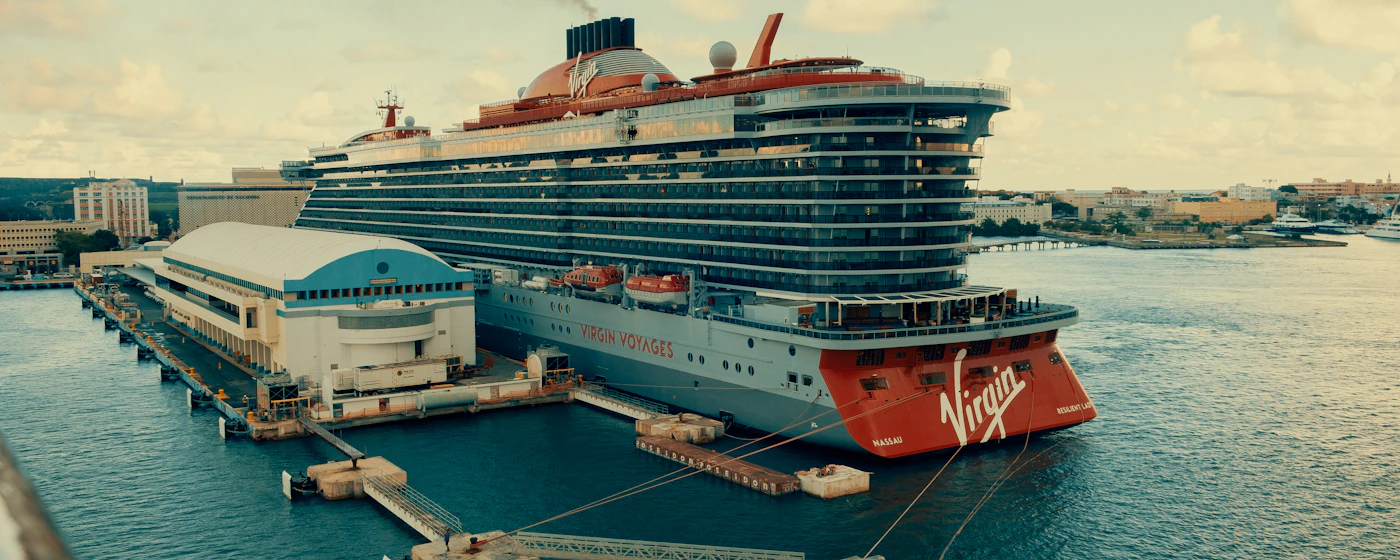
Ship size determines island experience more than any other variable. When a 5,000-passenger megaship docks in Santorini, the island’s infrastructure (taxis, restaurants, donkey rides) is completely overwhelmed. The result: three-hour queues for cable cars, inflated prices, and a thoroughly unpleasant experience.
Under 500 passengers: Expedition-style ships anchor offshore and use tenders (small boats) to bring passengers to town. No port congestion, no crowds. This is how the Greek islands were meant to be experienced.
500-1,500 passengers: Still manageable in most ports, though Santorini and Mykenos remain challenging. Look for ships that schedule morning arrivals rather than midday—early arrivals mean shorter queues.
Over 2,000 passengers: Avoid for Cyclades itineraries unless you specifically want the “standing in line” experience. The only exception: a long port call (8+ hours) in Santorini allows you to outrun the crowds by hiking to less-visited viewpoints immediately upon arrival.
Mykonos: Beyond the Party
Mykonos has a reputation as the party capital of the Cyclades, but the island has layers beyond the beach clubs. The Hora (old town) is a labyrinth of whitewashed cubic houses with bright blue doors—best experienced early morning before the day-trippers arrive. Little Venice, the old quarter’s waterfront, has houses built literally over the sea, with balconies hanging over the water.
For culture: The Archaeological Site of Delos (a short ferry ride from Mykonos) is the mythological birthplace of Apollo and home to one of the Mediterranean region’s most significant ancient ruins. Allow at least 3 hours.
Santorini: The Practical Counter-Narrative
Santorini is simultaneously overrated and genuinely extraordinary—the disconnect comes from timing. The mainstream cruise experience (cable car up from the port, fighting crowds at Oia for sunset) is miserable. The island itself, however, is genuinely one of the most visually striking places on Earth.
The strategy: Book an overnight stay before or after your cruise. Wake up at 6am, walk from Fira to Oia along the caldera edge (3 hours, incredible in morning light with zero crowds), spend the midday in your hotel’s infinity pool, watch sunset from a restaurant you’ve reserved in advance.
Book cruise excursions through Klook or directly through the cruise line. Shore excursions from cruise ports in Santorini typically include cable car tickets (pre-booked, no queue) and a guided caldera hike—worth the premium over independent exploration.
Want to turn travel into a career? Join Travel Arbitrage Partners