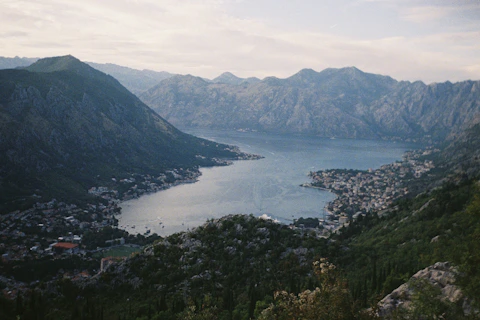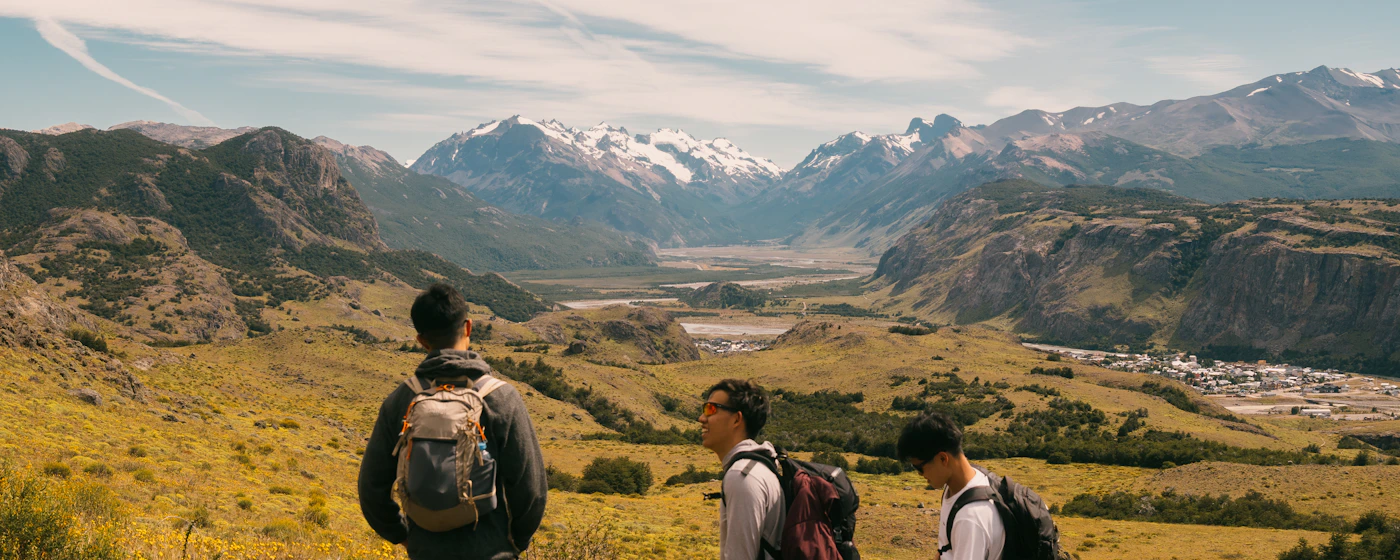
The South Island of New Zealand is where nature operates on a different scale. Mountains rise directly from the sea, glaciers descend to rainforest level, and the clarity of the air makes every horizon look like it’s been photo-edited. In 2026, with the New Zealand tourism infrastructure fully recovered, the South Island remains one of the world’s premier self-drive destinations — offering diversity that rivals countries 10 times its size.
From the flat braided rivers of Canterbury to the sharp peaks of the Southern Alps, from the vineyard-lined valleys of Otago to the mirror-still fjords of Fiordland, the South Island rewards travelers who take their time. A two-week itinerary is ideal; two days will leave you wanting more.
The Classic South Island Circuit
Route Overview
Christchurch → Arthur’s Pass → Greymouth → Franz Josef → Wanaka → Queenstown → Milford Sound → Te Anau → Dunedin → Omarama → Mount Cook → Christchurch
Total driving: approximately 2,200 km (6-8 hours of driving spread over 10-14 days)
Must-See Highlights
1. Arthur’s Pass National Park
The main divide crossing between Canterbury and the West Coast. The road (State Highway 73) is one of New Zealand’s most scenic — steep, winding, with sudden shifts from dry grassland to dense beech forest. The Devil’s Punchbowl Waterfall (an easy 30-minute walk from the road) is spectacular.
2. Franz Josef Glacier
One of the world’s most accessible glaciers — the terminal face is a 20-minute walk from the road. In 2026, the glacier has retreated significantly from its historical maximum (the current face is several kilometers behind the old moraine), making the experience both more urgent and more poignant.
The serious option: Heli-hike ( helicopter landing + guided glacier walk) — approximately NZ$400-500/person, book through Klook for price transparency and immediate confirmation.
Fox Glacier (30 minutes from Franz Josef) is an alternative with a more remote feel. Both require moderate fitness for the guided walk.
3. Wanaka
The laid-back alternative to Queenstown, centered on a stunning glacial lake. The famous That Wanaka Tree (a solitary willow growing in the lake) has become Instagram-famous — visit at sunrise for the best light and fewest crowds.
Wanaka is the gateway to Mount Aspiring National Park — New Zealand’s tramping (hiking) capital with tracks ranging from easy lake walks to multi-day Routeburn Track.
4. Queenstown
New Zealand’s adventure capital. If it has wheels, wings, or a rope, Queenstown will throw you off it: bungee jumping (Kawarau Bridge was the world’s first commercial site), skydiving, jet boating, canyon swinging, and skiing (Remarkables and Coronet Peak).
Beyond the adrenaline: The Glenorchy road north of Queenstown (40 minutes) is one of New Zealand’s most beautiful drives — Lord of the Rings filming location, with the Remarkables mountain range reflected in Lake Wakatipu.
Wine time: Central Otago is the world’s southernmost wine region, famous for Pinot Noir. The Gibbston Valley wineries (20 minutes from Queenstown) are perfect for a relaxed afternoon — bike between wineries on the Kawarau Bridge wine trail.
5. Milford Sound
The poster child of Fiordland, Milford Sound is 16 km of sheer cliffs rising from dark water. Formed by glacial erosion, it’s often called the “eighth wonder of the world.” Rainfall here is extreme (up to 7,000 mm/year) — bring waterproof everything even on sunny days, as weather can shift in minutes.
How to experience it:
- Day cruise: 1.5-2.5 hour scenic cruises depart regularly from the Milford Sound terminal
- Overnight cruise: Sleep on the sound, wake up in silence with mist rising off the water
- Kayaking: For the active, paddling among the fiords’ small coves and waterfalls is unforgettable
Book Milford Sound cruises in advance during peak season (December-March) via Klook to secure your spot.
Practical Driving Tips for New Zealand
Road conditions: New Zealand’s roads are narrower than most international travelers are used to — often one lane each direction with no shoulder. The key rule: slow down and pull over for faster traffic behind you. Use designated pull-over bays frequently.
Rental car: Book at least 3-6 months in advance for summer (December-February), especially for campervans. The “freedom camping” option (camping outside designated areas) is popular but requires a certified self-contained vehicle.
Driving laws:
- Keep left (obviously)
- Give way to the right at uncontrolled intersections
- Don’t drive while tired — mountain roads demand focus
- Winter (June-September): Snow chains may be required on mountain passes; check road status at aa.co.nz before departing
Budget Planning (14 days, two travelers)
| Expense | Budget | Mid-Range |
|---|---|---|
| International flights | $1,200-1,800/person | |
| Rental car (14 days) | $800-1,200 | $1,400-2,200 |
| Accommodation | $100-200/night | $200-450/night |
| Activities | $300-600/person | $600-1,200/person |
| Food | $60-120/day | $120-200/day |
| Total per person | $2,600-4,000 | $4,000-6,500 |
Best Time to Visit
- December-February: Warmest, longest days, peak season. Book everything 3+ months ahead.
- March-April: Shoulder season — smaller crowds, autumn colors in Otago, lower prices.
- June-August: Winter in NZ — skiing at Queenstown, lower prices, but short days (9 hours of daylight) and potential road closures in mountain passes.
Want to turn travel into a career? Join Travel Arbitrage Partners