本文含合作推荐链接,通过这些链接预订不会增加您的任何费用。了解更多

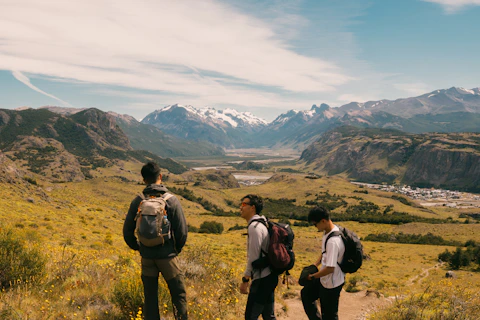
Patagonia is where the world goes to be reminded of scale. At the southern tip of South America, where the Andes Mountains make their final dramatic push before dropping into the sea, granite spires pierce the sky, glaciers crack with cannon-like sounds, and the wind — the relentless, legendary Patagonian wind — tests every traveler’s commitment to being outdoors.

Torres del Paine (Chile) and Los Glaciares National Parks (Argentina) contain the finest trekking on Earth. The famous W Trek in Torres del Paine — named for the shape of the trail on a map — passes the park’s three iconic granite towers, the Grey Glacier, and the French Valley. In 2026, park regulations have been updated (mandatory advanced reservations, new refugio options) — here’s everything you need to know.

Torres del Paine: The W Trek

Overview

The classic route covers approximately 80 km over 4-5 days, with refugios (mountain lodges) and campsites at regular intervals. The full O Circuit adds 4-5 days around the back of the Paine Massif for a more remote experience.

The W (West to East): Day 1: Enter via Laguna Amarga → Hike to Las Torres base (3-4 hours each way) Day 2: Hike to Grey Glacier (5-6 hours) — see the glacier’s blue face from a viewpoint Day 3: French Valley detour (5-6 hours) — the most scenic, least crowded section Day 4: Complete the W back to Laguna Amarga (3-4 hours)

The O Circuit adds the backside: Mirador Nordenskjöld → Camp Paso to Los Cuernos → Paine Grande camp → back to Grey Glacier

Booking: The New System

Torres del Paine implemented mandatory advance booking in 2023. All refugio stays and campsite pitches must be booked through the CONAF (park authority) website or authorized operators. Peak season (December-February) books out 2-4 months ahead.

Accommodation tiers:

  • Campsite: Most affordable, requires camping gear, shared facilities (~$15-25/night)
  • Refugio Shared Room: Bed in dorm-style accommodation, meals extra (~$80-150/night)
  • Hostería Paine Grande: Hotel-level option inside the park (~$250-400/night)

Book refugios and campsites through Klook which offers package bookings including refugio reservations — the most reliable way for international travelers to secure spots.

El Chaltén: Trekking to Fitz Roy

Argentina’s trekking capital, El Chaltén (population 3,000) is home to two of Patagonia’s most spectacular day hikes:

Laguna de los Tres: The classic Fitz Roy summit viewpoint — 8-10 hours round trip, gaining 900 meters through beech forest and boulder fields to a glacial lake with Fitz Roy’s jagged summit reflected in still water. This is Patagonia at its most dramatic.

Laguna Torre: The secondary classic — 8 hours round trip to a viewpoint of Cerro Torre, a controversial 3,128-meter peak whose summit is often obscured in cloud.

El Chaltén is free: Unlike Torres del Paine, Los Glaciares National Park’s Argentine side does not charge an entry fee. The hikes are well-marked but can be muddy and demanding.

Patagonia Packing List

This is serious wilderness. Your gear matters.

Essentials:

  • Hiking boots (broken in before you arrive — blisters in Patagonia are miserable)
  • Waterproof jacket (the wind is often stronger than the rain — look for windproof Gore-Tex)
  • Trekking poles (wind and fatigue make descents brutal on knees)
  • Sun protection (UV at southern latitudes is intense even in cloud — SPF 50+)
  • Headlamp (winter darkness or pre-dawn starts for the towers)
  • Dry bags (for protecting gear on the ferry crossing to Grey Glacier)

Layering:

  • Base layer: Merino wool (odor-resistant for multi-day hikes)
  • Mid layer: Fleece or down jacket
  • Shell: Waterproof/windproof jacket

Getting to Patagonia

To Torres del Paine (Chile): Fly to Punta Arenas (PMC) from Santiago (3 hours) → Bus to Puerto Natales (2.5 hours) → Bus to Torres del Paine entrada (2 hours). Total: 1.5-2 days of travel from Santiago.

To El Chaltén (Argentina): Fly to El Calafate (FTE) from Buenos Aires (3.5 hours) → Bus to El Chaltén (3 hours). El Calafate is also the base for Perito Moreno Glacier — the most accessible major glacier in the world (a 5km-wide wall of blue ice that you can walk to).

Patagonian roads: Winding, gravel, exposed. Bus is safer than driving yourself, especially in the wind.

Best Time to Visit

  • November-March: Peak season (summer in the Southern Hemisphere). Longest days (sunset at 9-10pm), warmest temps (10-18°C), but also most crowded and most expensive.
  • December-January: Peak within peak — Torres del Paine refugios book out months ahead.
  • Late March: Shoulder season — quieter, autumn colors begin (yellow beech forests), fewer crowds, but shorter days and cooler temps.

Travel Insurance: Essential

Patagonia’s remote nature means medical evacuation (by helicopter, if you get seriously injured on a remote trail) can cost tens of thousands of dollars. Ensure your travel insurance covers:

  • Emergency medical evacuation
  • Trip cancellation/interruption
  • Helicopter rescue (some policies exclude adventure activities — read the fine print)

AirHelp can help verify coverage for your specific trip parameters.

Want to turn travel into a career? Join Travel Arbitrage Partners