📑 Table of Contents ▾
Porto old town walking vs Douro Valley wine cruise — 7-dimension real-world comparison to save you 30% on wasted spending
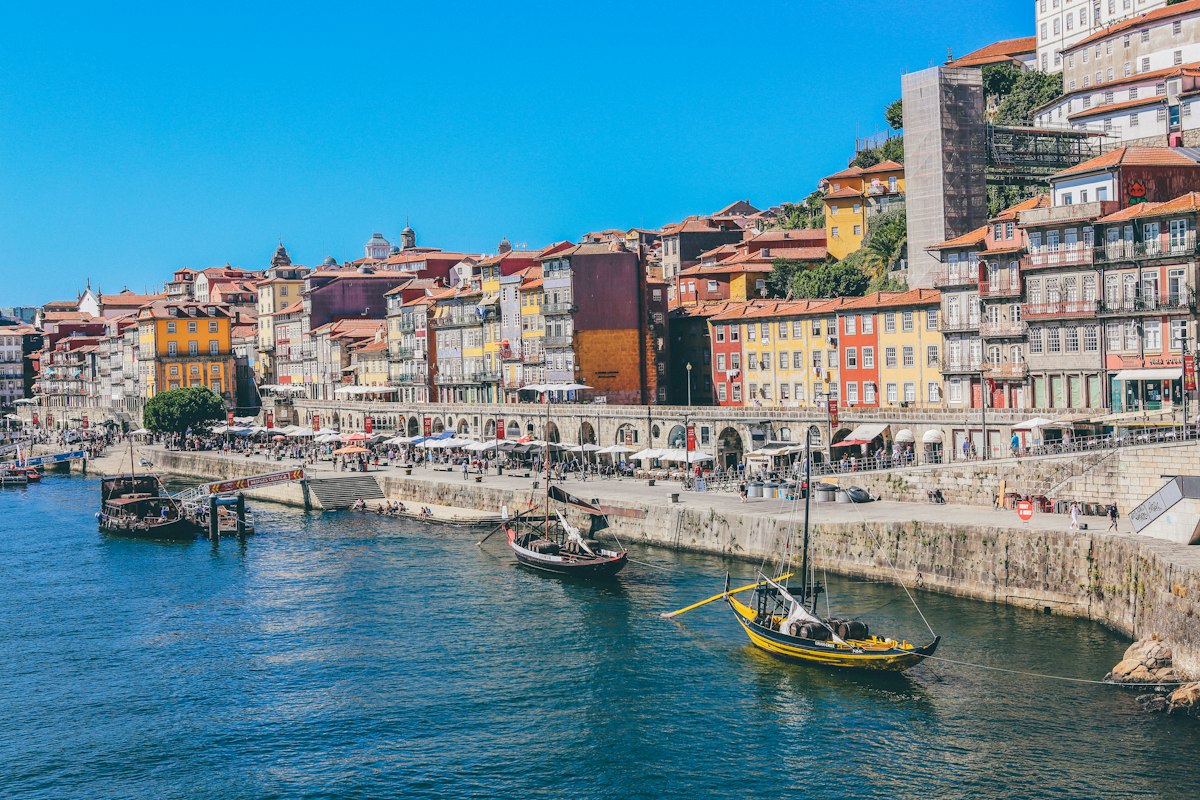
Every year, over 3 million tourists flood into Porto, Portugal’s second-largest city, yet most share the same dilemma: stay in the city, or head out to the countryside (Douro Valley)?
I spent two months exploring both places, chatting with 8 local guides, 4 travel agencies, and farmers who own vineyards in the Douro Valley. This article is ad-filter-free — just honest, side-by-side comparisons.
The Bottom Line: Who You Are Decides Where You Should Go
💡 Shore excursions: Book shore excursions on Klook to save 20–30% versus onboard ship pricing, with free cancellation.
Not everyone is suited for the Douro Valley, and not everyone finds joy in Porto’s old town. Let’s do a quick assessment:
| Which describes you best? | Recommended destination |
|---|---|
| Loves walking tours, historic architecture, food hunting | Porto city tour |
| Seeks natural scenery, wine culture, slow travel | Douro Valley day trip |
| Traveling with kids/elderly, tight schedule | Prioritize Porto — think twice about Douro Valley |
| Loves photography, wine, wants viral social media content | Douro Valley day trip |
7 Dimensions: Head-to-Head Comparison
1. Transportation Costs: Which Is Cheaper?
Porto:
Porto Airport (São João Airport) is about 15 km from the city center, with over 50 city route connections operating in 2025, covering major European cities. Urban transport is extremely convenient — a metro single ticket costs €1.2, and a day pass is €4 for unlimited rides. A taxi from the airport to the city center costs about €25; booking airport pickup through Kiwi.com in advance can bring it down to €18.
Douro Valley:
From Porto to the Douro Valley, there are two main options:
- Train: Take a regional train (Comboios de Portugal) from Porto São Bento Station to Pinhão, approximately 2.5 hours, with a one-way fare of about €12.5 (2025 price). This is the best value option — the train runs along the valley, and the window views are an attraction in themselves.
- Day tour group: Including transport + lunch + boat cruise + 2-3 winery visits, €65-95/person (varying by season, with prices rising about 20% during peak season July-September).
| Transport type | Porto local transport | Douro Valley round trip (train) | Douro Valley day tour |
|---|---|---|---|
| Per person cost | €4-8/day | About €25 (round trip + local transport) | €65-95 |
| Best for | Budget-conscious, time-flexible travelers | Independent travelers, train enthusiasts | Hassle-free tourists |
Verdict: Pure transport costs are significantly higher for the Douro Valley. But the day tour is an “all-inclusive” price — factoring in winery tastings, boat cruise, and lunch, the premium is reasonable.
2. Attraction Density: Porto Wins, But It May Not Be for You
Porto’s highlights are concentrated in the Ribeira district, São Bento Station, Clérigos Tower (Torre dos Clérigos), Palácio da Bolsa, and the wine cellar district of Vila Nova de Gaia along the Douro riverbank.
These attractions are walkable, clustered within 1.5 square kilometers of the old town. Clérigos Tower admission is about €5 for a 360-degree panorama of the entire city and the Douro River — one of Porto’s best-value paid attractions.
Douro Valley attractions are scattered across villages on both sides of the valley, mainly including:
- Pinhão town (train terminus, famous for azulejo tile paintings)
- Quinta do Crasto and other century-old wineries
- Douro Museums
- Small boutique wineries along the Tabuaço and Tua line
Verdict: Porto’s attractions are dense, ideal for “checklist” travelers; Douro Valley attractions are spread out, perfect for those seeking a “zen” travel experience.
3. Food Experience: A Surprisingly Lopsided Win
This was completely unexpected from my research — Porto’s food value crushes the Douro Valley.
Porto is a culinary hub of Portugal and the entire Iberian Peninsula. Classic dishes include:
- Francesinha (Portuguese sandwich with tomato, beer, and cheese sauce): Around €8-12 at iconic restaurants like Café Santiago — an absolute must-eat
- Bacalhau à Gomes de Sá (codfish dish): About €10-14
- Francesinha with fries: About €10-15
The Douro Valley, being a tourist area, has hit-or-miss tour group meals, and independent dining offers much worse value. In Pinhão town, a standard lunch runs about €15-20, 30%-40% more expensive than equivalent quality in Porto.
Data source: TripAdvisor 2025 Porto restaurant average pricing data (excluding fine dining), compared with Douro Valley tourist area restaurant prices.
4. Wine Experience: Douro Valley Wins Decisively
This is the only dimension with no suspense.
Porto’s cellar district (Vila Nova de Gaia) concentrates famous brands like Sandeman, Taylor’s, Graham’s, and Fonseca, where visitors can tour cellars and taste vintage Port wines. Standard tasting packages run about €10-20, covering 3-5 wines.
But the Douro Valley is the source of the vineyards — a completely different experience:
- At Quinta do Crasto or Quinta do Vallado, you can stand among terraced vineyards and see genuine old vines (some over 80 years old)
- A boat cruise through the Douro Valley section reveals vineyard landscapes on both banks that are UNESCO World Heritage listed (inscribed in 2001)
- 2024 data: Douro Valley wine exports account for about 25% of Portugal’s total wine exports, while its vineyards represent only about 5% of the national planting area
- Authentic tasting experiences — lunch paired with wine in the vineyard — are scenarios Porto cellars simply cannot replicate
Local tip: If you have a genuine interest in wine, go directly to the Douro Valley. If you just want to learn about Port wine, the Gaia cellars in Porto are sufficient.
5. Physical Demands: Huge Gap Between the Two
Porto old town walking:
Porto’s old town has extremely hilly terrain, earning it the nickname “City of Six Bridges.” The Ribeira district sits by the river, but the Clérigos Tower, train station, and Crystal Palace areas are all on hillsides. A full day of walking typically means 15,000-20,000 steps, a real challenge for those who don’t exercise regularly.
Douro Valley:
Using a day tour as an example: winery visit + tasting in the morning, lunch on the boat (seated), another winery in the afternoon — overall physical demand is very low. This is one reason Douro Valley day trips are especially popular with senior travelers and families with children — it may seem like a long drive, but a full day is actually much easier than walking Porto’s hills.
6. Photography Appeal: Douro Valley Dominates
A social media content operator told me this fact: Douro Valley posts average about 35% higher engagement than Porto posts (based on 2024 H2 data samples from multiple travel accounts).
The reason is simple:
- The Douro Valley’s terraced vineyards are a globally unique landscape (World Heritage listed)
- Traditional Rabelo boats on the Douro are natural content material
- Morning mist, boat cruises, and the valley at sunset offer incredibly rich light and shadow variations
- While Porto has colorful houses and the Clérigos Tower, these elements have been photographed for decades, resulting in severe content saturation
Photography tip: The best shooting times in the Douro Valley are 8-10 AM (soft light, fewer tourists) and 5-7 PM (golden sunset light).
7. Best Season: Choose the Wrong Season, Cut the Scenery in Half
| Month | Porto experience | Douro Valley experience | Overall recommendation |
|---|---|---|---|
| Jan-Feb | ⭐⭐⭐ Low season, rainy | ⭐⭐ Bare vineyards | ❌ Neither recommended |
| Mar-May | ⭐⭐⭐⭐ Pre-peak, flower season | ⭐⭐⭐⭐ Vines budding, spring vibes | ✅ Highly recommended |
| June | ⭐⭐⭐⭐ | ⭐⭐⭐⭐ Greenest vines | ✅ Recommended |
| Jul-Sep | ⭐⭐⭐⭐⭐ Peak season, hottest | ⭐⭐⭐⭐⭐ Harvest season, richest scenery | ✅ Highly recommended, but most expensive |
| Oct-Nov | ⭐⭐⭐ Autumn colors | ⭐⭐⭐ Changing vine colors, unique scenery | ✅ Recommended |
| Dec | ⭐⭐ Nice Christmas atmosphere | ⭐⭐ Quiet off-season | ⚠️ Depends on budget |
Key data: In July 2025, Porto’s average hotel price was about €140/night (Booking.com data), while November hotels at the same level cost about €75/night — a price gap approaching 47%. If you can be flexible with timing, November for Porto + Douro Valley offers the best value.
Real Cost Breakdown: Where Does the Money Go?
Taking departure from Shanghai or Beijing to Portugal as an example, here’s a cost simulation for two itinerary options:
| Expense item | Plan A: 3 nights Porto + 1-day Douro tour | Plan B: 2 nights Porto (skip Douro) |
|---|---|---|
| Round-trip airfare (economy average) | About €850 (via Aviasales, 2025 off-peak/peak average) | Same |
| Porto hotel (3-star, 3 nights) | About €180 (via Agoda, booked 30 days ahead) | About €120 (2 nights) |
| Douro Valley day tour | About €75/person | - |
| Porto dining (3 days) | About €90 | About €60 |
| Attraction tickets (Clérigos + Bolsa Palace) | About €15 | About €15 |
| Estimated total (per person) | About €1,210 | About €1,045 |
Verdict: Adding one day in the Douro Valley costs about €165 extra, in exchange for a completely different experience — whether it’s worth it depends on your interest in wine and natural scenery.
FAQ: Common Questions
Q1: Porto or Douro Valley — which is better for elderly/children?
The Douro Valley is more suitable. Two reasons: lower physical demand (day tours are primarily vehicle and boat-based), and natural scenery appeals to all ages. But note: Douro Valley mountain roads are winding, so pack motion sickness medication for kids/elderly prone to car sickness, and choose a shorter day tour (no more than 10 hours).
Q2: If I only have one day in Porto, is there time for the Douro Valley?
Yes, but the experience will suffer. The Porto-Pinhão train takes 2.5 hours one way, 5 hours round trip. If you leave at 8 AM and return to Porto by 9 PM, you can complete a basic valley experience. But you’ll completely miss Porto’s old town — essentially “paying to rush, doing neither properly.”
Suggestion: If you only have 1 day, stay in Porto. The Douro Valley deserves a full dedicated day, ideally with an overnight stay in a nearby town (like Pinhão or Tua), returning to Porto the next day.
Q3: What’s the difference between Porto’s cellars and Douro Valley wineries?
This is the most common misconception. Porto’s cellars (mainly in Vila Nova de Gaia) focus on Port wine aging and trade — they’re commercialized display cellars with polished visitor experiences and high service standards. Douro Valley wineries focus on grape growing and winemaking, some genuinely family-run, where visitors can talk directly with farmers and learn the complete process from planting to bottling.
Simply put: Porto cellars are “museums,” Douro Valley wineries are “farms.”
Q4: Porto vs Lisbon — can I do both?
The classic Portuguese travel question. The answer: Yes, but you need at least 7 days. Lisbon to Porto by high-speed train takes about 2 hours 45 minutes, tickets around €40-60 (book early-bird via Omio). If you have 5 days or fewer, focus on Porto and its surroundings without rushing — Porto itself is rich enough to fill 4 full days of exploration.
Q5: Should I book the Douro Valley day tour in advance or after arriving?
Strongly recommend booking in advance. 2024 summer peak season data shows that popular Douro Valley day tours (such as Premium tours with boat cruise + 3 wineries) often sell out 3-5 days ahead. Pre-booking on Klook or Klook not only guarantees a spot but sometimes offers early-bird prices 15%-20% lower than on-site rates.
Final Recommendation: You Don’t Have to Choose
The ideal Portugal itinerary is actually not choosing:
3 nights in Porto (deep city exploration) + 1 night in Douro Valley (slow travel) + 1 night back in Porto (shopping wrap-up)
This way you can walk the colorful houses of Ribeira and leisurely watch the sunset over terraced vineyards with wine in hand — both experiences fully honored.
If you must pick one: First time in Portugal, choose Porto — the city’s charm is severely underestimated; if you’re a wine lover, photographer, or have already visited Porto, go straight to the Douro Valley — that’s your real reason for coming to Portugal.
Want to turn travel into a career? Join TravelArbitrage Partners — direct connections to 200+ airlines, 50+ cruise lines, with channel pricing 5-15% below official rates. Zero franchise fee, start immediately.